“We Know It’s Possible” The Future of HIV Cure Research
“We Know It’s Possible” The Future of HIV Cure Research
amfAR VP of Research Dr. Andrea Gramatica discusses progress toward a cure for HIV: where we stand now and how we’re going to get there.
June 23, 2026

Since 1985, amfAR has been committed to an end to AIDS. In the more than 40 years since our founding, amfAR has awarded more than 3,900 grants to researchers worldwide, greatly expanding our understanding not just of how the virus infects human cells, but how to prevent that from happening, how to control the virus, and how to keep people living with HIV healthy.
The scientific community has managed to cure a handful of people of HIV. While those unique cases aren’t replicable for the more than 40 million people living with HIV, they do prove what was once only theoretical: it is possible to cure HIV. In the interview that follows, Dr. Andrea Gramatica, amfAR’s VP of Research, discusses where we stand now and how we’re going to get to the eventual goal.
How close are we to a scalable cure for HIV?
We understand the problem much better now than we did even a decade ago. We know we need to identify where HIV persists in the body, measure the HIV reservoir—latent virus antiretrovirals can’t target—accurately, and either eliminate those infected cells or keep them permanently controlled without daily treatment.
We are no longer asking whether it is biologically imaginable; I can’t say a cure is right around the corner, but we know it’s possible. Now we’re studying how to connect the right technologies in the right way, safely and at scale.
What does it actually mean to cure HIV?
When we talk about curing HIV, we usually mean one of two things. One is an eradication cure, where HIV is completely removed from the body. The other is a functional cure, where the virus may still be present at very low level, but the immune system keeps it controlled without daily medication. For most people in the field, a functional cure would already be a major breakthrough, allowing someone to stop antiretroviral treatment and remain healthy, with the virus suppressed and not spreading or progressing.
In a world with effective treatments and prevention, why does curing HIV remain an important priority?
HIV treatment today is one of the great success stories of modern medicine. And amfAR-funded research has played a major role in getting us where we are. People who have access to treatment and take it consistently can live long, healthy lives, and when the virus is undetectable, it is not sexually transmitted.
But here are our problems: treatment still means lifelong medication, lifelong medical access, and lifelong monitoring, and this is still a huge global challenge when more than 40 million people are living with HIV and the majority of these people live in regions of the world with little to no access to basic medical care.
amfAR Key Accomplishments
Lifesaving treatment: Starting with protease inhibitors, which revolutionized the treatment of HIV and led to a drastic reduction in AIDS-related deaths, amfAR’s research has contributed to the development of four of the six main classes of antiretroviral drugs in use today.
CCR5, a key protein: amfAR funded research showing that HIV almost always requires a protein called CCR5 to enter and infect cells. This breakthrough led to the development of the anti-HIV drug maraviroc, which blocks CCR5.
First HIV cure:The discovery of CCR5 also paved the way to the first case of an HIV cure in 2008. Timothy Ray Brown—the Berlin patient—was cured through a stem cell transplant using donor cells lacking the CCR5 gene. amfAR-supported researchers confirmed that all virus had been eliminated.
Mother-to-child HIV transmission: amfAR pioneered research that led to the use of antiretroviral drugs to prevent mothers from passing HIV on to their infants. As a result, this mode of transmission has been all but eliminated in many parts of the world.
Awakening dormant virus: amfAR funded groundbreaking research that in 2025 showed that dormant HIV could be reactivated using mRNA technology—making infected cells visible to the immune system and overcoming a major barrier to curing HIV.
Passing key legislation: amfAR played a central role in securing the passage of federal legislation that remains the bedrock of the domestic response to HIV. This includes the Hope Act of 1988, the first comprehensive federal AIDS legislation, and the Ryan White CARE Act of 1990, which provides emergency relief to hard-hit states and local communities.
Other disease breakthroughs: AIDS research has provided insights into a range of diseases, their causes, and their treatment. Better diagnostic methods, therapies to restore the immune system, newer preventive antibiotics and drugs, and new treatments for infectious diseases and cancer were all developed in the course of AIDS research.
What are some promising recent developments in the pursuit of a cure for HIV?
The COVID-19 vaccines gave us powerful proof of concept for mRNA and lipid nanoparticle technologies. That does not mean the same approach automatically cures HIV, but it showed how quickly we can design and deliver new biological instructions to the body.
Also, gene and cell therapies have advanced dramatically, especially in cancer. Tools like engineered immune cells and gene editing are giving researchers new ways to think about reaching infected cells or making the immune system more resistant to HIV.
And lastly, I’d note that artificial intelligence may help us make better use of more than 40 years of HIV research. AI will not replace scientists, but it can help identify patterns, connections, and therapeutic opportunities that would otherwise be very difficult to see.
Why are researchers looking into the immune system as part of curing HIV?
Because HIV infects cells of the immune system and it reshapes the immune system at large, weakening it, and, if the virus is uncontrolled, eventually destroying it. Antiretroviral therapy can stop the virus from spreading from one cell to another, but it does not remove the cells that already have HIV.
Our immune system does have, in theory, the ability to eliminate HIV-infected cells, but it does not do so because HIV weakens its functionalities. So, the question is: can we help the immune system recognize and eliminate HIV-infected cells, and keep the virus controlled without lifelong treatment? That is why researchers, in some cases supported by amfAR, are studying T cells, antibodies, immune exhaustion, vaccines, and engineered immune approaches.
An HIV/AIDS Timeline
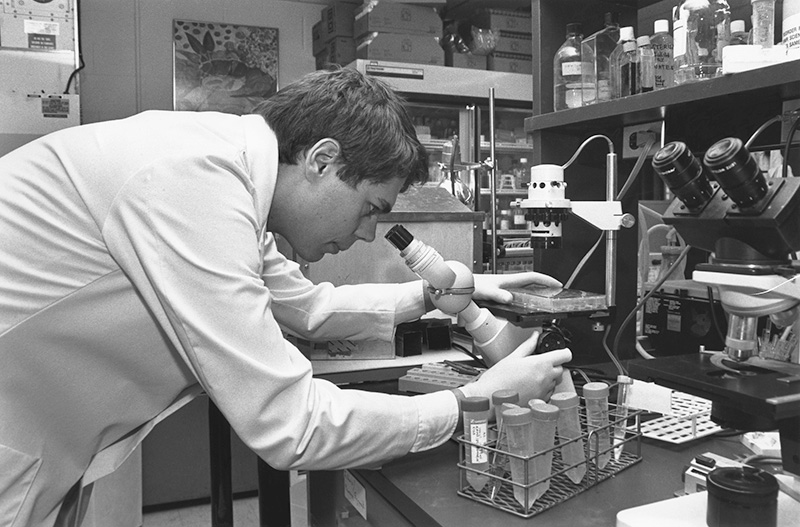
Unexplained cases of enlarged lymph nodes among gay men are observed and studied by physicians and researchers in New York City, including Dr. Mathilde Krim.

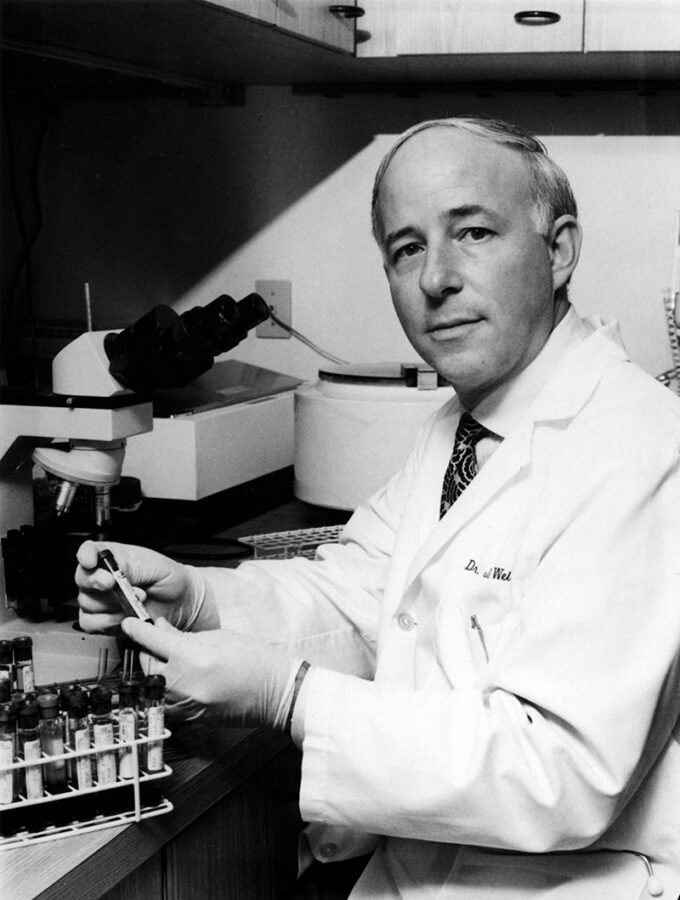
Drs. Michael S. Gottlieb, Joel D. Weisman, et al., report five cases of homosexual men with Pneumocystis carinii pneumonia, a rare form of pneumonia usually found only in severely immunosuppressed patients. The report is published in the June 5, 1981, issue of the U.S. Centers for Disease Control and Prevention’s Morbidity and Mortality Weekly Report (MMWR). Drs. Gottlieb and Weisman later are among amfAR’s founding directors.
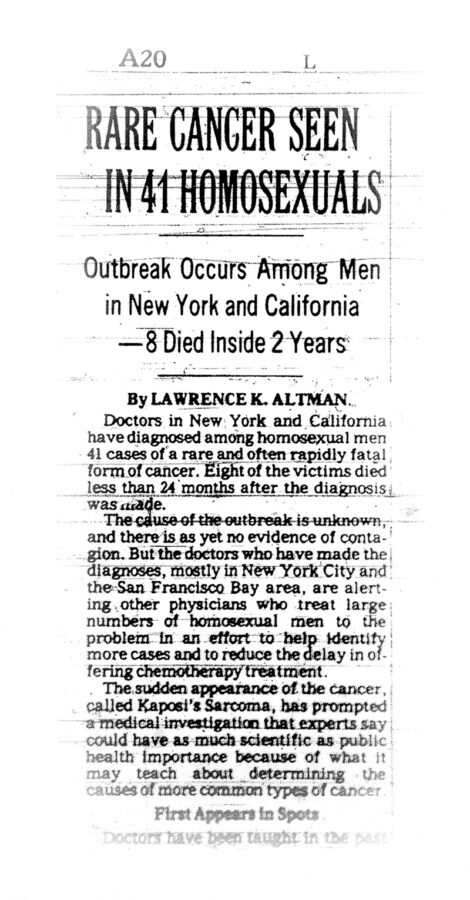
The July 3, 1981, MMWR reports 26 cases of Kaposi’s sarcoma (KS), a rare cancer, in homosexual men in both New York and California. The New York Times publishes the first news article about the mysterious new disease. Initial use of the term gay-related immune deficiency (GRID) or “gay cancer” by the media and others mistakenly suggests an inherent link between homosexuality and the new disease. The first AIDS service organization, Gay Men’s Health Crisis (GMHC), is founded in New York City. U.S.
YEAR-END STATISTICS
A total of 159 cases of the new disease are recorded in the U.S.
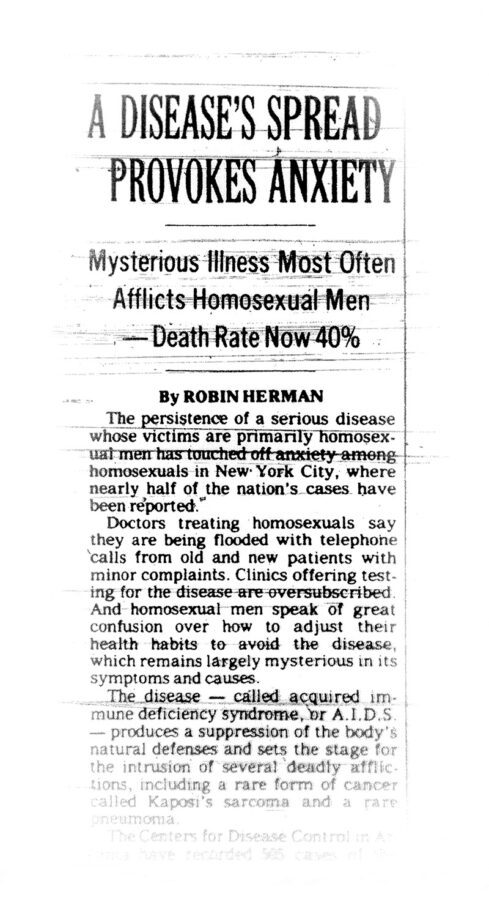
In addition to cases in men—particularly gay men—cases of AIDS are reported in hemophiliacs and in a few women, infants, and recipients of blood transfusions. Transmission of an infectious agent through blood and sexual contact is strongly suspected.
The Centers for Disease Control (CDC) establishes the term acquired immunodeficiency syndrome (AIDS) and identifies four “risk factors”: male homosexuality, intravenous drug use, Haitian origin, and hemophilia A.
U.S. YEAR-END STATISTICS
771 cases of AIDS reported to date
618 deaths
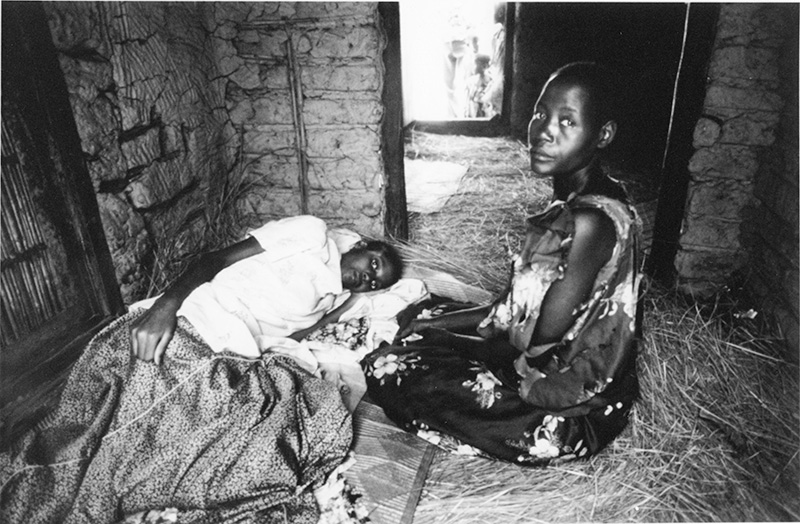
A major outbreak of AIDS among both men and women in central Africa is reported.
The CDC adds female sexual partners of men with AIDS to its list of “risk groups.”
At the Pasteur Institute in France, Drs Françoise Barré-Sinoussi, Luc Montagnier, et al., isolate a new retrovirus from a French patient with AIDS symptoms. They call it lymphadenopathy-associated virus, or LAV.

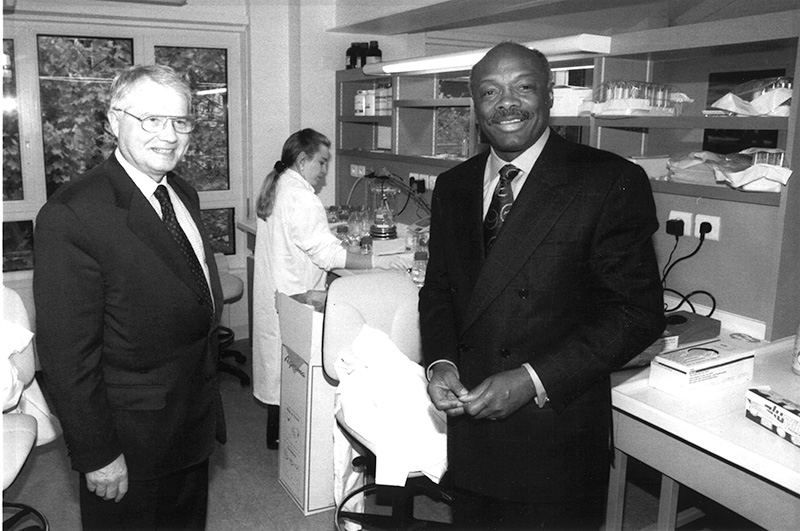
Dr. Mervyn F. Silverman, Director of the San Francisco Department of Health, launches a citywide program to combat the local epidemic.
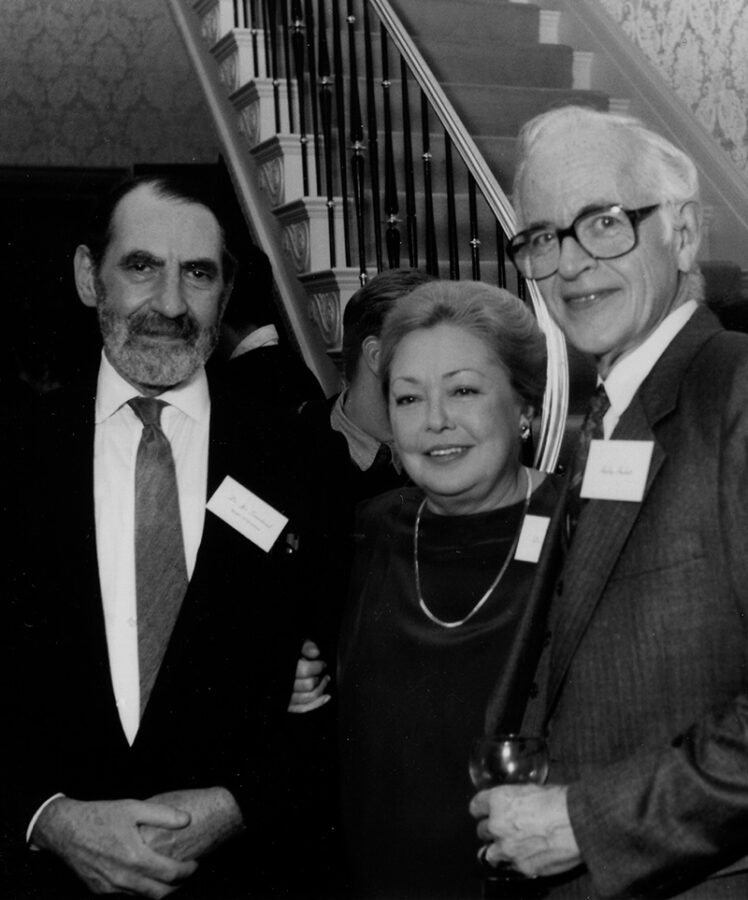
The AIDS Medical Foundation (AMF) is founded by Dr. Mathilde Krim, Dr. Joseph Sonnabend, Michael Callen, and others, as a New York-based AIDS research organization.
The first AIDS discrimination case is brought to court in the U.S. (The suit was filed by Dr. Sonnabend to prevent the eviction of his medical practice specializing in AIDS patients.)
The CDC warns blood banks of a possible problem with the U.S. blood supply and joins other government agencies in issuing the first recommendations for preventing sexual, drug-related, and occupational transmission of HIV.
AIDS cases have now been reported in 33 countries.
U.S. YEAR-END STATISTICS
2,807 cases of AIDS reported to date
2,118 deaths
In Science, a publication of the American Association for the Advancement of Science, Dr. Robert Gallo of the U.S. National Cancer Institute reports that his lab has isolated the virus believed to cause AIDS. He calls it human T-cell lymphotropic virus type III (HTLV-III).
At the University of California, San Francisco, Dr. Jay A. Levy reports the isolation of a retrovirus from U.S. AIDS patients and healthy individuals in risk groups. He calls it the AIDS-associated virus (ARV).
Scientists conclude that AIDS is caused by a new retrovirus, which they later name human immunodeficiency virus (HIV).
U.S. Department of Health and Human Services Secretary Margaret Heckler predicts an AIDS vaccine will be ready for testing within two years.
Dr. Krim testifies before Congress on the need for AIDS research dollars and issues a plea for protecting the rights of people with AIDS.
Scientists isolate a virus that causes an AIDS-like illness in monkeys.
The AIDS Medical Foundation distributes its first 18 basic research grants.
U.S. YEAR-END STATISTICS
7,239 cases of AIDS reported to date
5,596 deaths