
Advancing HIV Science in the Asia-Pacific Region
At the 28th Bangkok Symposium in January, researchers from amfAR’s TREAT Asia program shared vital information about improving the health and wellbeing of people living with HIV
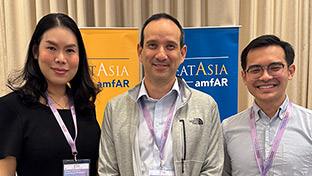
A platform powered by collaboration and scientific exchange, the 28th Bangkok International Symposium on HIV Medicine featured numerous panel and workshop contributions from amfAR’s TREAT Asia program staff members, network investigators, and recipients of the CHIMERA fellowship, an NIH-funded mentorship initiative helping researchers study the relationship between HIV and mental health.
Bringing togetherglobal experts, clinicians, researchers, and community leaders in HIV and infectious diseases, “the symposium offered participants the opportunity to hear about the latest updates from researchers in the region who are advancing HIV science, including where we are with HIV cure research and why cervical cancer elimination is such a high priority for women living with HIV,” said Dr. Annette Sohn, VP and Director of TREAT Asia, who also serves on the Symposium’s Scientific Committee.
“While the program is especially valuable for Thai clinicians and researchers, there was strong representation from other countries in Southeast Asia as well,” she added.
Keynote speakers included network investigator Dr. Raja Iskandar Shah Raja Azwa and CHIMERA Fellow Dr. Anjanna Kukreja (both from Malaysia), and amfAR Target Grant recipient Dr. Sharon Lewin (Australia).
Other network investigators who presented include Thailand-based researchers Drs. Thanyawee Puthanakit; Anchalee Avihingsanon; and Natalie Songtaweesin and Akarin Hiransuthikul, who are both CHIMERA trainees.
For the Joep Lange Memorial Lecture, Giten Khwairakpam, Community and Policy Program Manager at TREAT Asia, discussed improving access to long-acting agents for HIV treatment and prevention in Asia, including cabotegravir and lenacapavir.
Share This:
